
Pesticide Sprayer Machines for Crop Protection: Your Ultimate Guide
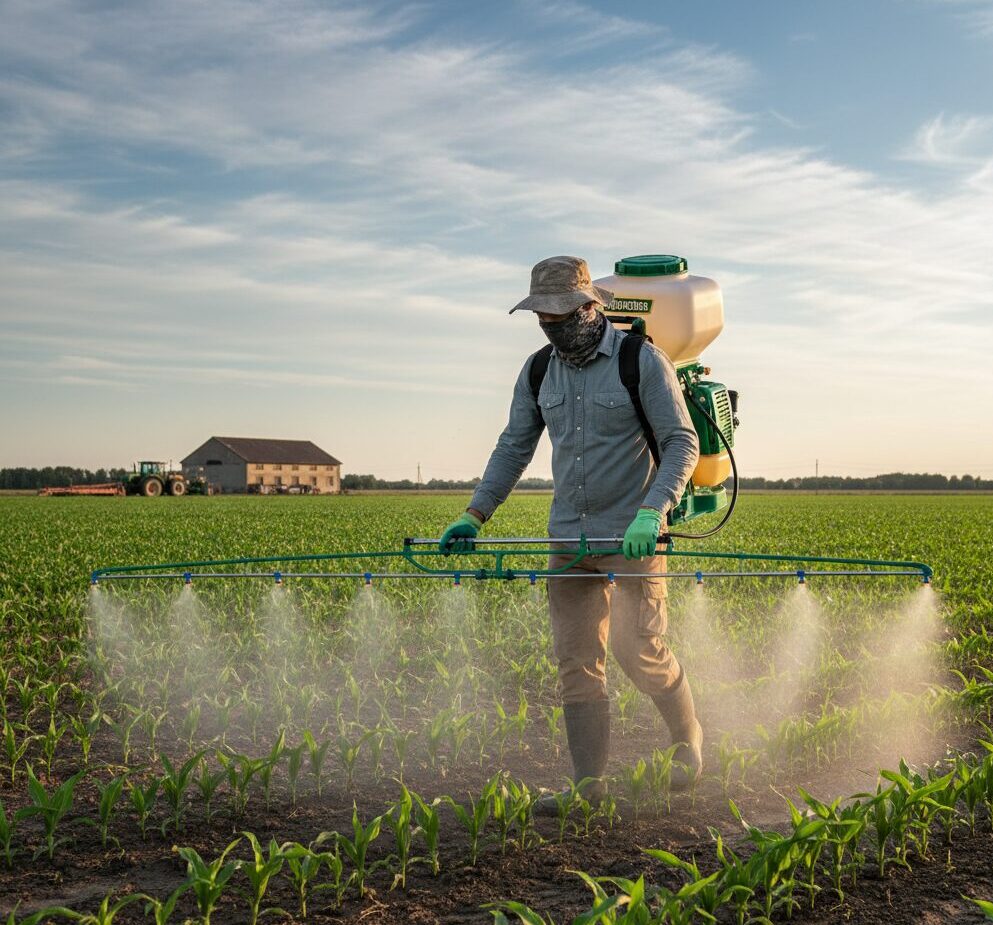
In the relentless pursuit of bountiful harvests, farmers and agricultural enthusiasts face a myriad of challenges, not least among them being pest infestations and plant diseases. Protecting crops from these threats is paramount to ensuring food security and economic viability. This is where the pesticide sprayer machine emerges as an indispensable tool, a cornerstone of modern crop protection strategies. From small backyard gardens to vast commercial farms, selecting and utilizing the right sprayer can mean the difference between thriving yields and devastating losses.
This comprehensive guide delves deep into the world of pesticide sprayer machines, offering insights into their importance, various types, crucial features, best practices for use, and the exciting innovations shaping their future. Whether you’re a seasoned farmer or a budding horticulturist, understanding these machines is key to optimizing your crop health and productivity.
Why Invest in a Quality Pesticide Sprayer Machine?
Investing in a high-quality pesticide sprayer machine isn’t just an expense; it’s an investment in your crop’s health, your farm’s productivity, and ultimately, your bottom line. These machines are engineered to deliver precision, efficiency, and safety in applying vital crop protection agents.
Enhanced Efficacy and Precision
A well-chosen sprayer ensures that pesticides, herbicides, and fertilizers are applied exactly where they’re needed, in the correct concentrations. This precision minimizes waste, enhances the effectiveness of the chemicals, and reduces the risk of under or over-application, which can harm crops or the environment. The right nozzle and pressure settings on a pesticide sprayer machine can optimize droplet size for maximum coverage and penetration.
Cost-Effectiveness and Reduced Waste
By preventing wasteful application, a good sprayer helps you get the most out of your expensive agricultural chemicals. Efficient spraying means fewer passes, less chemical consumption, and conserved fuel for power-driven models. Over time, these savings accumulate, making the initial investment in a quality machine highly cost-effective.
Time and Labor Savings
Modern pesticide sprayer machines significantly reduce the manual effort and time required for crop protection. What once took days of strenuous work can now be accomplished in hours, freeing up valuable labor for other essential farming tasks. This efficiency is particularly crucial during critical growth stages when timely application can prevent widespread damage.
Uniform Coverage for Optimal Results
Achieving uniform coverage is crucial for pest and disease control. Patches of untreated crops can become breeding grounds for pests, undermining the entire spraying effort. Advanced sprayers are designed to provide consistent and even distribution, ensuring every plant receives its necessary protection and contributing to overall better crop health and yield.
Protecting Your Investment (Crops)
Your crops are your livelihood. Pests and diseases can wipe out an entire season’s hard work in a matter of days. A reliable pesticide sprayer machine is your first line of defense, safeguarding your agricultural investment against these biological threats and ensuring a healthy, profitable harvest.
Types of Pesticide Sprayer Machines: Choosing the Right Tool
The market offers a diverse range of best pesticide sprayer machines, each designed to cater to specific needs, farm sizes, and types of crops. Choosing the right one depends on factors like your farm’s scale, budget, and the specific application requirements.
Manual Sprayers (Handheld & Backpack)
- Handheld Sprayers: Smallest and most portable. Ideal for spot treatment, small gardens, or nurseries. Capacity typically ranges from 1 to 5 liters. They are simple, affordable, and easy to maintain.
- Backpack Sprayers: Worn on the operator’s back, offering greater capacity (10-20 liters) than handheld models. They use a manual pump to build pressure. Perfect for medium-sized gardens, orchards, or small farms. They offer good mobility but require physical effort.
- Best For: Small plots, home gardens, precision spot treatment.
Battery-Operated Sprayers
These are essentially electric versions of backpack sprayers. They feature a rechargeable battery that powers a small pump, eliminating the need for manual pumping. This significantly reduces operator fatigue and provides consistent pressure. They typically have capacities similar to manual backpack sprayers.
- Pros: Ease of use, consistent spray, less fatigue.
- Cons: Battery life limitations, higher cost than manual.
- Best For: Medium-sized plots, vineyards, commercial landscaping, where consistent pressure and less effort are desired.
Power Sprayers (Engine-Powered)
Equipped with a gasoline engine, these sprayers offer higher pressure and greater capacities. They can be mounted on trolleys or skids and often come with longer hoses and spray guns, allowing for wider coverage from a single point. Some are designed as mist blowers, creating a fine mist for extensive canopy penetration.
- Pros: High pressure, large coverage, suitable for taller trees or dense foliage.
- Cons: Noisy, requires fuel, heavier.
- Best For: Larger farms, orchards, plantations, and areas requiring extensive spraying.
Tractor-Mounted & Trailed Sprayers
These are large-scale machines designed for commercial farming. Tractor-mounted sprayers attach directly to a tractor’s three-point hitch, while trailed sprayers are pulled behind a tractor. They feature large tanks (hundreds to thousands of liters) and wide booms with multiple nozzles, covering vast areas efficiently. Air-blast variants are popular for fruit trees.
- Pros: Maximum coverage, high efficiency for large fields, advanced features like GPS.
- Cons: High initial cost, requires a tractor, less maneuverable in tight spaces.
- Best For: Large-scale agricultural operations, row crops, extensive orchards.
Drone Sprayers (Emerging Technology)
Agricultural drones equipped with spraying mechanisms represent the cutting edge of precision agriculture. They can cover challenging terrains, access hard-to-reach areas, and apply chemicals with unparalleled precision using GPS and AI. While still a significant investment, their efficiency and safety benefits are growing.
- Pros: High precision, access difficult areas, minimal soil compaction, reduced human exposure.
- Cons: High cost, limited payload capacity, regulatory hurdles, battery life.
- Best For: Precision farming, difficult terrain, high-value crops, environmental sensitivity.
Key Features to Look for in a Pesticide Sprayer Machine
When selecting a pesticide sprayer machine, evaluating its features is crucial to ensure it meets your specific agricultural needs and offers long-term reliability.
Tank Capacity
This determines how much liquid the sprayer can hold and, consequently, how much area you can cover before refilling. Small gardens might need 5-liter tanks, while commercial farms could require tanks of 1000 liters or more. Match the capacity to your typical spraying area to minimize downtime.
Pump Type and Pressure
The pump is the heart of any sprayer. Common types include diaphragm, piston, and centrifugal pumps. Diaphragm pumps are good for abrasive chemicals, while piston pumps offer high pressure. Consider the desired pressure (measured in PSI or Bar) as it affects droplet size and penetration. Higher pressure generally means finer droplets and better coverage, especially for dense foliage.
Nozzle Variety and Adjustability
Different nozzles create different spray patterns (e.g., flat fan, cone, flood) and droplet sizes. A good sprayer system allows for easy nozzle interchangeability and adjustment. This versatility is essential for applying various chemicals effectively, from herbicides that need coarse droplets to insecticides requiring fine mists. Precision nozzles reduce drift and improve application accuracy.
Portability and Ergonomics
For manual and battery-operated sprayers, portability is key. Look for comfortable straps on backpack models, lightweight design, and easy-to-maneuver wheels for trolley types. For larger machines, consider ease of attachment to tractors or maneuverability in the field.
Material Durability and Corrosion Resistance
Agricultural chemicals can be corrosive. Ensure the sprayer’s tank, pump, and internal components are made from durable, chemical-resistant materials (e.g., high-density polyethylene, stainless steel) to guarantee longevity and prevent leaks.
Safety Features
Operator safety is paramount. Look for features like pressure relief valves, secure tank lids, comfortable handles that reduce strain, and designs that minimize chemical exposure during mixing and application. Easily accessible shut-off valves are also crucial.
Power Source (Manual, Battery, Engine)
As discussed in the types section, the power source dictates the sprayer’s capabilities and ease of use. Choose based on the scale of your operation and preference for manual effort vs. automation.
Best Practices for Using and Maintaining Your Pesticide Sprayer Machine
Proper operation and diligent maintenance are critical to extending the lifespan of your pesticide sprayer machine, ensuring effective application, and safeguarding operator and environmental safety.
Pre-Operation Checks
Before each use, inspect your sprayer. Check for leaks in hoses, fittings, and the tank. Ensure nozzles are clean and free of blockages. Verify that all connections are secure and the pump is functioning correctly. For battery models, check charge; for engine models, check fuel and oil levels.
Calibration for Accuracy
Calibration is non-negotiable for effective and responsible pesticide application. It involves measuring the amount of liquid the sprayer discharges over a known area or time. This ensures you apply the correct dosage per acre, preventing chemical waste and potential harm to crops or the environment. Recalibrate regularly, especially when changing nozzles or application rates.
Proper Application Techniques
Maintain a consistent speed and height while spraying to ensure uniform coverage. Overlap spray patterns slightly to avoid gaps. Pay attention to wind conditions; avoid spraying in strong winds to prevent drift, which can damage non-target crops or contaminate water sources. Read the chemical label for specific application instructions.
Safety Precautions (PPE)
Always wear appropriate Personal Protective Equipment (PPE) when handling pesticides and operating a sprayer. This typically includes chemical-resistant gloves, eye protection (goggles or face shield), a long-sleeved shirt, long pants, and closed-toe shoes. In some cases, a respirator may be necessary. Always follow the safety guidelines on the pesticide label.
Post-Application Cleaning and Storage
Immediately after use, thoroughly clean your pesticide sprayer machine. Rinse the tank multiple times with clean water, spraying some through the nozzles. Dispose of rinse water responsibly, ideally by spraying it onto an area that was already treated. Clean nozzles, filters, and hoses. Store the sprayer in a clean, dry, and secure location, out of direct sunlight and away from children and unauthorized personnel.
Regular Maintenance Tips
- Lubricate moving parts as per the manufacturer’s instructions.
- Inspect and replace worn-out gaskets, seals, and hoses.
- Clean or replace filters regularly to prevent clogging.
- For engine-powered models, perform routine engine maintenance (oil changes, spark plug checks).
- Winterize your sprayer before storing it for extended periods in cold climates to prevent freezing damage.
The Future of Crop Protection: Innovations in Sprayer Technology
The evolution of the pesticide sprayer machine is ongoing, driven by the need for greater efficiency, sustainability, and precision in agriculture. Future innovations promise to revolutionize how we protect our crops.
Smart Sprayers with GPS and AI
Integrating GPS, sensors, and artificial intelligence allows sprayers to map fields, detect weeds or diseased plants, and apply chemicals only where needed. This site-specific application drastically reduces chemical use and environmental impact.
Variable Rate Application (VRA)
VRA technology enables sprayers to automatically adjust the application rate of chemicals based on real-time data from sensors or pre-loaded field maps, optimizing treatment for different areas within a field.
Electrostatic Spraying
This technology charges spray droplets electrically, causing them to be attracted to plants. This results in superior wrap-around coverage, reduced drift, and more efficient use of chemicals.
Autonomous Sprayers
Robotic sprayers and advanced agricultural drones are becoming increasingly autonomous, capable of navigating fields and applying treatments with minimal human intervention, offering unparalleled precision and labor savings.
Where to Buy Your Ideal Pesticide Sprayer Machine
Finding the right pesticide sprayer machine is crucial, and fortunately, there are numerous reputable sources. Consider these options:
Local Agricultural Dealers
Visiting local farm equipment dealerships allows you to see the machines firsthand, get expert advice, and receive after-sales support and spare parts easily. They often understand local agricultural needs.
Online Retailers
E-commerce platforms offer a vast selection, competitive pricing, and convenience. Websites like Amazon, specialized agricultural equipment stores, and manufacturers’ direct online shops provide detailed product descriptions, reviews, and delivery options. You can check out reputable online farm equipment stores for a wide range of options, from small handheld models to advanced tractor-mounted systems.
Manufacturer Websites
Directly visiting the websites of reputable manufacturers (e.g., Solo, Husqvarna, John Deere for larger equipment) provides access to their full product lines, specifications, and often dealer locators.
Frequently Asked Questions (FAQs) about Pesticide Sprayer Machines
What is the best type of sprayer for a small garden?
For a small garden, a handheld sprayer (1-5 liters) or a manual backpack sprayer (10-20 liters) is generally the best choice. They are affordable, easy to use, and offer sufficient capacity for typical garden tasks. If you prefer less effort, a small battery-operated sprayer can also be an excellent option.
How often should I calibrate my pesticide sprayer?
You should calibrate your sprayer at least once a season. However, it’s advisable to recalibrate whenever you change nozzles, alter the application speed, or switch to a different chemical product with varying viscosity. Regular spot checks are also good practice to ensure consistent performance.
What safety gear do I need when operating a sprayer?
Minimum safety gear includes chemical-resistant gloves, eye protection (goggles or a face shield), a long-sleeved shirt, long pants, and sturdy, closed-toe shoes. Depending on the pesticide and application method, a respirator or specialized chemical-resistant suit may also be required. Always refer to the specific pesticide label for mandatory PPE.
How do I prevent clogging in my sprayer nozzles?
To prevent clogging, always use clean water for mixing, strain chemicals before adding them to the tank if recommended, and use filters at the tank opening and in-line. Regularly clean your nozzles after each use by rinsing them thoroughly. If a clog occurs, use a soft brush or compressed air to clear it, never metal objects that could damage the nozzle orifice.
What’s the difference between a hand pump and a battery sprayer?
The primary difference lies in the method of pressurization. A hand pump sprayer requires manual pumping by the operator to build and maintain pressure. A battery sprayer uses a rechargeable battery to power an electric pump, providing consistent pressure without manual effort. Battery sprayers are generally more expensive but offer greater comfort and consistent spray quality.
Customer Review
“I upgraded to an engine-powered pesticide sprayer machine for my small orchard last season, and the difference is incredible. The uniform coverage and time savings have significantly improved my crop health. This guide helped me understand the features to look for, and I’m very happy with my purchase!” – A Satisfied Orchard Farmer
Conclusion
The pesticide sprayer machine is more than just a piece of farm equipment; it’s a vital ally in the ongoing battle for crop protection and agricultural productivity. From basic manual models to advanced autonomous systems, the right sprayer empowers farmers to apply critical treatments with precision, efficiency, and safety.
By understanding the various types, key features, and best practices for operation and maintenance, you can make an informed decision that enhances your farming operations, protects your investment, and contributes to a healthier, more abundant harvest. Embrace the power of the right pesticide sprayer machine to cultivate success in your fields.