
By Aspee – Your trusted partner in modern farm machinery
Efficient field coverage, precise chemical application, and time savings are essential for large-scale agriculture. A tractor sprayer is the most reliable tool to help you achieve these goals. At Aspee, we specialize in high-performance tractor-mounted sprayers that deliver powerful, accurate, and consistent results across acres. In this guide, you’ll learn how to make the most of your tractor sprayer—from setup to maintenance.
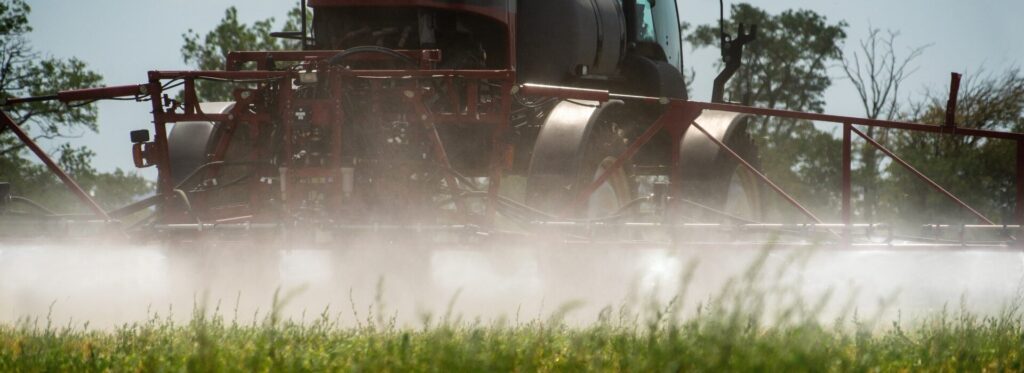
1. Understanding the Tractor Sprayer
What Is a Tractor Sprayer?
A tractor sprayer is a tank mounted on a tractor—either on the rear or trailer—to apply liquid solutions like pesticides, herbicides, fertilizers, or micronutrients across large fields. It typically includes:
- A large tank (ranging from 200 to 2000 L)
- Boom arms with multiple nozzles (widths spanning 12–36 meters)
- A pump (diaphragm or centrifugal)
- A PTO (Power Take-Off) shaft for power
- A pressure regulator, flow meters, and control valves
This system ensures fast and uniform application over uneven or expansive terrains.
2. Preparing the Tractor Sprayer
Safety First
- Read the manual thoroughly.
- Wear PPE: gloves, boots, goggles, coveralls, and respirator.
- Calibrate the sprayer on dry land first.
Inspect Key Components
- Examine the tank for cracks or leaks.
- Clean or replace nozzle tips; worn tips compromise accuracy.
- Check hoses and boom joints for tightness.
- Flush the pump with clean water.
- Ensure pressure gauges and filters are working.
Mix the Chemical Solution
- Fill tank with clean water to about ⅓ capacity.
- Add the required chemical dose as per label.
- Mix and fill the remainder with water.
- Record the total volume added.
3. Calibrating the Sprayer
Determine Target Application Rate
- Common rates range 150–400 L/ha (depending on crop and terrain).
- Refer to chemical labels for accurate guidance.
Calibrate Nozzle Output
- Collect output from one nozzle over a known time (e.g., 30 seconds).
- Measure volume and calculate liters/minute.
Expected flow = (Volume ÷ Time) × 60.
Calculate Required Speed
Given:
- Boom width (m)
- Nozzle flow rate (L/min)
- Speed (m/s)
Use formula:
Application (L/ha) = (600 × Flow Rate) ÷ (Speed × Boom Width)
Adjust for Accuracy
- Alter tractor speed or PTO RPM.
- Change nozzle size/type.
- Repeat calibration until the reading matches your target L/ha.
4. Field Application Best Practices
Optimal Tractor Speed
Maintain steady speed. Use GPS or field sensors for consistency.
Pressure Regulation
- working pressure between 200–300 kPa (30–45 psi), or as specified by nozzle.
- Use pressure gauges for accurac
- working pressure between 200–300 kPa (30–45 psi), or as specified by nozzle.
Boom Height
- Position the boom 50–70 cm above the canopy to ensure proper spray overlap and minimize drift.
Nozzle Overlap and Spacing
- Maintain 75–90% overlap between spray paths.
- Plant spacing, wind, and terrain should inform nozzle selection.
Adapting to Terrain
- Tight turns? Slow down, disengage booms.
- Uneven ground? Use suspension or floating boom assemblies.
5. Operational Checks During Spraying
Monitor Flow and Pressure
- Watch flow meters and gauge displays.
- Adjust pump or speed if readings fluctuate
Visual Coverage Checks
Use water-sensitive paper sporadically to verify uniform spray coverage.
Record Small Details
- Log date, weather, nozzle used, pressure, speed, and volume per hectare.
- Track chemical used and target crop field for future reference.
6. End-of-Day Routines
Clean the Sprayer
- Rinse with clean water and run through the system.
- Use a neutralizer if herbicide residues are present.
- Flush tank, boom, filters, pump thoroughly.
Maintenance Steps
- Inspect nozzles and replace if worn.
- Lubricate PTO shaft and boom hinges.
- Check pump oil and seals.
- Store the tank, boom arms, and nozzles in a clean, dry place.
Winterization (if applicable)
- Drain water to prevent freezing.
- Fog the pump and lines with engine oil if off-season storage is planned.
7. Safety & Environmental Responsibility
Risk Mitigation
- Mix chemicals in a dedicated area away from water sources.
- Use spill trays and add buffers when working near wells or canals.
- Collect and recycle rinse water in herbicide-resistant crops
Drift Prevention
- Avoid spraying when wind >10 km/h.
- Use low-drift nozzles and maintain correct boom height.
Consider drift reduction agents.
Legal Compliance
- Use only registered agrochemicals.
- Dispose of empty packs as per local regulations.
- Follow label directions for re-entry intervals and safety requirements.
8. Maximizing Efficiency & Cost Saving
Invest in Quality
- Aspee sprayers are built for durability and consistent performance.
- Original nozzles and filters increase longevity and precision.
Advanced Nozzle Technology
- Nozzles with extended wear life and anti-clogging features help maintain precise application.
Automation & Precision Farming
- Add GPS-controlled section shutoff valves to reduce overlaps.
- Use rate controllers for site-specific variable applications.
- Add GPS-controlled section shutoff valves to reduce overlaps.
Scheduled Maintenance
- Follow Aspee’s preventive maintenance schedule.
Keep extra filters, hoses, nozzles on hand to avoid downtime.
9. Troubleshooting Common Problems
Issue | Cause | Fix |
Uneven spray pattern | Worn or clogged nozzles | Clean or replace nozzles |
Low pressure | Pump issues or hose leak | Repair pump, tighten hoses, check PTO engagement |
Excessive drift | High pressure or wind | Lower pressure, adjust nozzle, wait for calm weather |
Chemical fitment issues | Unmixed or incompatible mix | Re-mix, check compatibility, clean tank thoroughly |
Flow meter failure | Blockage or damage | Inspect and rebuild or replace flow meter |
10. Why Choose Aspee Tractor Sprayer
Aspee is a trusted leader in agricultural machinery, offering:
- Durable tanks (200–2000 L), sturdy boom arms, and high-capacity pumps
- Easy calibration with integrated gauges and quick-change nozzles
- Heavy-duty frames—designed to withstand rough fields
- Expert after-sales support and ready availability of parts
Accessories like flow meters, GPS kits, regulators, and nozzle kits
Conclusion
A properly set-up and maintained tractor sprayer is essential to modern large-scale farming. From calibration and safe chemical application to cleaning and maintenance, each step lowers costs, improves yield, and protects the environment. With Aspee’s quality sprayers and support, your farm operation becomes smarter, more sustainable, and profitable.
Get in Touch with Aspee
Want to upgrade or optimize your spraying operations?
- 📞 Call us: +9833879797
- 📧 Email:aspee@aspee.net
- 🌐 Browse models:https://aspee.com/