
Top Farm Machinery Manufacturing in India: Powering Agricultural Growth
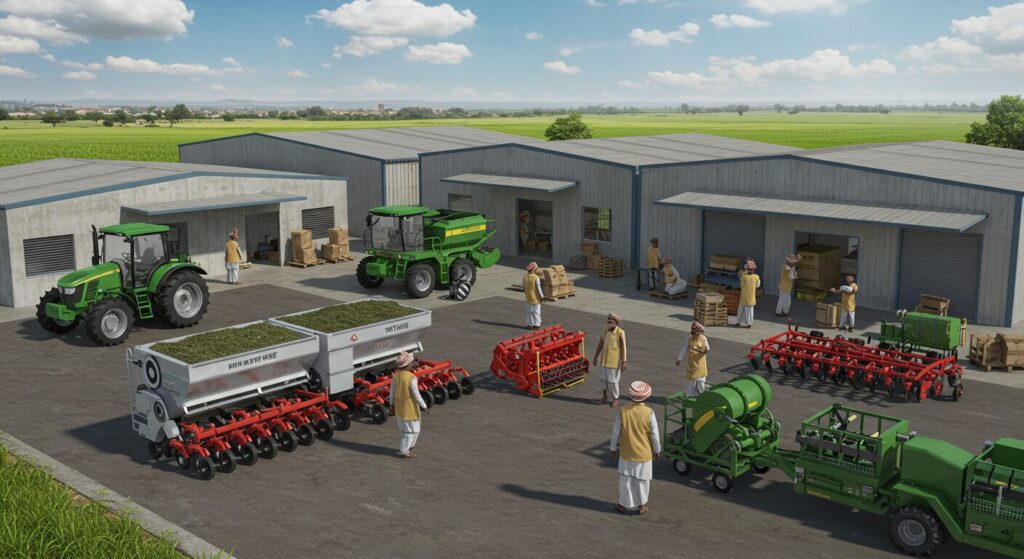
India, a nation deeply rooted in agriculture, is witnessing a monumental transformation in its farming practices. At the heart of this revolution lies the relentless innovation and production by farm machinery manufacturers in India. From traditional ploughs to advanced GPS-guided tractors, the evolution of farm machinery has become the cornerstone of increased productivity, efficiency, and sustainability for millions of farmers. This comprehensive guide delves into the vibrant landscape of agricultural equipment manufacturing in India, exploring key players, essential product ranges, factors for selection, and the exciting future of this pivotal sector.
The demand for advanced farm machinery is growing exponentially, driven by factors like labor scarcity, the need for higher yields, and government initiatives promoting mechanization. Understanding the manufacturers that are spearheading this change is crucial for farmers, dealers, and investors alike looking to navigate India’s agricultural future.
The Evolving Landscape of Farm Machinery in India
India’s agricultural sector, contributing significantly to its GDP and employing a large portion of its population, is undergoing a rapid transition from conventional methods to modern, mechanized farming. This shift is propelled by several factors, including rising labor costs, fragmented landholdings, and a burgeoning awareness among farmers about the benefits of precision agriculture. The market for farm machinery in India is one of the largest globally, attracting both domestic and international players.
Why India is a Global Hub for Farm Machinery Manufacturing
India’s unique position as an agricultural powerhouse, coupled with its robust manufacturing capabilities and skilled workforce, makes it an ideal hub for farm machinery production. Factors contributing to this prominence include:
- Vast Domestic Market: A huge number of small, medium, and large farmers create diverse demand for various types of equipment.
- Cost-Effective Manufacturing: Competitive labor and raw material costs allow for affordable production.
- Technological Adaptation: Indian manufacturers are adept at adapting global technologies to suit local conditions and farmer requirements.
- Government Support: Subsidies, loans, and promotional schemes by the government actively encourage farm mechanization.
Key Players: Top Farm Machinery Manufacturers in India
The Indian market boasts a mix of large corporations, mid-sized enterprises, and specialized local manufacturers, all contributing to a dynamic and competitive environment. These manufacturers are not just producing equipment; they are innovating to create solutions tailored to India’s varied agro-climatic zones and farming practices.
Leading Manufacturers and Their Offerings
While we cannot list specific companies by name without bias, it’s important to recognize that leading Indian manufacturers offer an extensive portfolio of products. These range from high-horsepower tractors for large farms to compact, versatile equipment for small and marginal landholders. Their product lines typically include:
- A wide array of tractors (20 HP to 100+ HP)
- Various tillage implements (ploughs, harrows, cultivators, rotavators)
- Sowing and planting machinery (seed drills, planters, transplanters)
- Crop protection equipment (sprayers, dusters)
- Harvesting and post-harvest machinery (combine harvesters, threshers, reapers)
- Material handling equipment
- Specialized horticulture and dairy farm machinery
Many of these manufacturers also focus on research and development to introduce advanced features like telematics, GPS integration, and ergonomic designs, making the operation of farm machinery more efficient and comfortable.
The Core Product Range: Essential Farm Machinery
Understanding the diverse types of farm machinery available is crucial for making informed purchasing decisions. Each piece of equipment plays a vital role in the farming cycle, from land preparation to harvesting.
Tractors: The Backbone of Modern Agriculture
No discussion about farm machinery in India is complete without mentioning tractors. They are the primary power source for most mechanized farming operations. Indian manufacturers produce a wide range of tractors, catering to different farm sizes and purposes, from compact mini-tractors for inter-cultivation to heavy-duty models for large-scale operations. Modern tractors come with features like multi-speed PTO, power steering, and advanced hydraulic systems, greatly enhancing their utility and versatility.
Tillage Equipment: Preparing the Soil for Success
Proper soil preparation is fundamental for healthy crop growth. Manufacturers offer a variety of tillage implements:
- Ploughs: For primary tillage, breaking and turning the soil.
- Cultivators: For secondary tillage, preparing the seedbed.
- Rotavators (Rotary Tillers): Highly popular for their ability to prepare a fine seedbed in a single pass, especially beneficial in rice-wheat rotations.
- Disc Harrows: For breaking clods and leveling the soil.
Sowing & Planting Machinery: Precision for Higher Yields
Accurate and timely sowing significantly impacts crop yield. Indian manufacturers produce:
- Seed Drills: For uniform sowing of seeds at desired depths.
- Planters: Specialized for planting specific crops like maize, cotton, and potatoes.
- Transplanters: Essential for crops like rice, reducing labor and improving efficiency.
Crop Protection & Irrigation Systems: Nurturing Growth
Protecting crops from pests and diseases and ensuring adequate water supply are critical. Manufacturers provide:
- Sprayers: From manual to tractor-mounted and self-propelled sprayers.
- Irrigation Pumps: Diesel and electric pump sets for efficient water distribution.
- Drip & Sprinkler Systems: Though not solely machinery, many manufacturers integrate these as part of their comprehensive solutions for water management.
Harvesting & Post-Harvest Equipment: Maximizing Output
Efficient harvesting reduces post-harvest losses and speeds up operations:
- Combine Harvesters: Multi-functional machines that cut, thresh, and clean grain in one operation, widely used for wheat, rice, and corn.
- Reapers: For harvesting standing crops.
- Threshers: For separating grain from chaff.
- Graders and Sorters: For quality control and processing.
Specialized Farm Machinery: Meeting Diverse Needs
Beyond the core equipment, manufacturers also cater to niche segments with specialized farm machinery, such as cotton pickers, potato planters and diggers, sugarcane harvesters, and dairy farming equipment, reflecting the diverse agricultural landscape of India.
Factors to Consider When Choosing a Farm Machinery Manufacturer
Selecting the right manufacturer and equipment is a strategic decision for any farmer or dealer. Here are critical factors to evaluate:
Quality and Durability
Investment in farm machinery is significant. Prioritize manufacturers known for robust construction, high-grade materials, and adherence to quality standards. Durable equipment reduces downtime and offers a longer operational life.
Technology and Innovation
Look for manufacturers that integrate modern technology, such as precision agriculture features (GPS guidance, variable rate technology), IoT capabilities, and fuel-efficient engines. These innovations can lead to significant savings and increased productivity.
After-Sales Service and Spare Parts
Excellent after-sales support, including readily available spare parts and a strong service network, is paramount. A breakdown during peak season can be disastrous, making reliable service a non-negotiable factor. Manufacturers with widespread dealer networks and trained technicians are highly desirable.
Cost-Effectiveness and ROI
While initial purchase price is a factor, consider the total cost of ownership, including fuel efficiency, maintenance, and potential for increased yields. A higher-priced machine might offer better long-term return on investment (ROI) if it’s more efficient and reliable.
Customization and Local Suitability
Indian farms vary greatly in size, soil type, and crop patterns. Manufacturers who offer a range of models and can provide solutions tailored to specific local conditions demonstrate a deeper understanding of the market. This includes adapting equipment for challenging terrains or unique crop requirements.
The Future of Farm Machinery in India
The trajectory for farm machinery in India is one of rapid advancement and integration with emerging technologies. The sector is poised for significant growth, driven by continued mechanization and smart farming initiatives.
Smart Farming and Digital Integration
The future of farm machinery lies in smart solutions. This includes:
- IoT (Internet of Things): Sensors gathering data on soil, weather, and crop health for optimized decision-making.
- AI and Machine Learning: Predictive analytics for pest control, yield forecasting, and equipment maintenance.
- Automation and Robotics: Autonomous tractors and robotic harvesters are on the horizon, reducing human intervention and increasing precision.
- Telematics: Remote monitoring of equipment performance, fuel consumption, and location.
Sustainable and Eco-Friendly Solutions
With increasing environmental awareness, manufacturers are focusing on sustainable farm machinery. This includes electric tractors, hybrid models, and equipment designed for minimal soil disturbance, reduced emissions, and efficient resource utilization.
Government Support and Policy
Government policies will continue to play a crucial role in shaping the future of farm mechanization. Initiatives promoting custom hiring centers, subsidies for modern equipment, and R&D support will further accelerate the adoption of advanced farm machinery across the country.
The role of a farm machinery manufacturer in India is more critical than ever. As the nation strives for food security and agricultural prosperity, the quality, innovation, and accessibility of agricultural equipment will dictate the pace of progress. From powerful tractors to precision planters, the evolution of farm machinery is not just about tools; it’s about empowering farmers, boosting productivity, and building a sustainable future for Indian agriculture. Choosing the right partner in this journey means investing in quality, service, and a vision for modern, efficient farming.
Frequently Asked Questions (FAQ) about Farm Machinery in India
What are the benefits of using modern farm machinery?
Modern farm machinery offers numerous benefits including increased productivity, reduced labor costs, improved efficiency, precise application of inputs (seeds, fertilizers, water), better crop quality, and reduced turnaround time between farming operations. This ultimately leads to higher yields and better profitability for farmers.
Which types of farm machinery are most popular in India?
Tractors remain the most popular and essential piece of farm machinery in India. Following tractors, widely used equipment includes rotavators, cultivators, seed drills, sprayers, and combine harvesters. The popularity varies regionally based on predominant crops and farming practices.
How do I choose the right farm machinery for my needs?
Choosing the right farm machinery involves considering several factors: your farm size, the crops you cultivate, soil type, available budget, power source (e.g., tractor HP requirements), and the availability of after-sales service and spare parts in your region. Consulting with local dealers and experienced farmers can also provide valuable insights.
Are Indian farm machinery manufacturers competitive globally?
Yes, many Indian farm machinery manufacturers have established a strong global presence, exporting their products to various countries in Asia, Africa, and even parts of Europe and America. They are competitive due to their focus on cost-effectiveness, robust designs suitable for challenging conditions, and continuous innovation tailored to diverse agricultural needs.
What is the role of technology in future farm machinery?
Technology will play an increasingly vital role. Future farm machinery will incorporate advanced features like IoT for real-time data collection, AI for predictive analytics, GPS for precision farming, and automation for autonomous operations. This will lead to highly efficient, sustainable, and data-driven agricultural practices.
Customer Reviews on Indian Farm Machinery
“Our new Indian-made rotavator has transformed our soil preparation. It’s incredibly efficient and robust, handling our tough clay soil with ease. Excellent value for money!”
“We invested in a tractor from a prominent Indian manufacturer, and the performance has been largely impressive. The fuel efficiency is a big plus. Service network could be a bit faster in remote areas, but overall a solid machine.”
“The innovation in Indian farm machinery is truly commendable. Our new seed drill with precision planting technology has significantly improved our yield consistency. Highly recommend!”
About the Author
This article was authored by an expert in agricultural technology and market trends, with over a decade of experience analyzing the Indian farming sector. The insights provided aim to empower farmers, dealers, and stakeholders with comprehensive knowledge about farm machinery and its critical role in modern agriculture.