
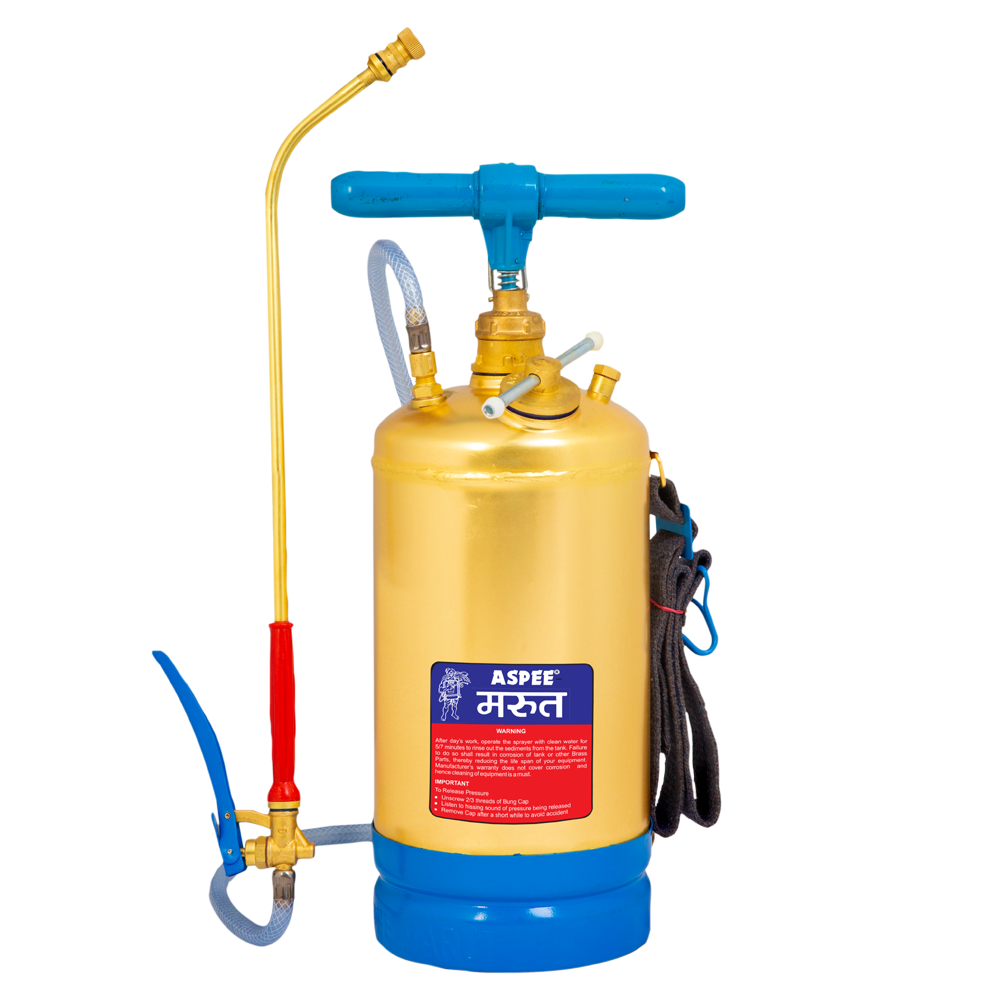
In today’s world, cleanliness and hygiene have become paramount. Whether you’re managing a retail space, cleaning a home, or maintaining a healthcare setting, using a Hand Compression Sprayer can make disinfection efficient and effective. This blog will guide you through the best practices—covering safety, preparation, technique, and maintenance—so you can confidently and effectively sanitize surfaces using your hand compression sprayer.
1. Understanding the Role of a Hand Compression Sprayer
A Hand Compression Sprayer is a manual tool that allows pressurized spraying of disinfectant solutions. Its portability and ease of use make it a popular choice for quickly covering large or complex surfaces—including floors, counters, equipment, and facility walls.
By delivering a fine, even mist, it ensures better coverage than wiping alone. However, to harness its full potential, it’s essential to follow safe, science-backed disinfection practices.
2. Always Preclean Before Disinfecting
Before using your sprayer, preclean surfaces to remove visible dirt, dust, and organic matter. Debris can shield pathogens and hinder the efficacy of disinfectants. A simple detergent-and-water solution works well. Once clean and dry, the surface is ready for disinfection.
3. Choose the Right Disinfectant and Use It Correctly
Selecting an effective disinfectant is just as important as how you use it:
- Use EPA-registered disinfectants approved for the pathogens you’re targeting.
- Never mix different chemicals—they may neutralize each other or form hazardous fumes.
- Follow manufacturer instructions precisely—for dilution, contact time, temperature, and application method.
4. Prioritize Personal Protection & Ventilation
Handling disinfectant solutions requires proper precautions:
- Wear proper PPE: chemical-resistant gloves (nitrile or latex), eye protection, and, if needed, respiratory gear.
- Ensure good ventilation in the area—especially if you’re spraying indoors or using strong chemicals.
5. Spraying Technique—Getting It Right with Your Hand Compression Sprayer
Follow these strategies for effective, even disinfection:
- Aim for even, light misting, avoiding oversaturation which can damage electronic surfaces or result in waste.
- Maintain proper contact time—allow the solution to sit as directed to effectively eliminate pathogens.
- Overlap spray patterns to ensure uniform coverage, especially around edges, crevices, and high-touch zones.
- Avoid “spray and immediately wipe” unless specified—wiping too soon can reduce disinfectant efficacy.
6. Post-Disinfection: Drying & Storage
After disinfecting:
- Let surfaces air-dry fully, or gently pat dry with a lint-free cloth.
- Proper drying ensures complete evaporation and reduces re-contamination risk.
- Store cleaned items in a designated, clean area separate from used or dirty zones.
- Let surfaces air-dry fully, or gently pat dry with a lint-free cloth.
7. Proper Disposal of Disinfectant Waste
- If you’ve prepared a diluted disinfectant solution, use it completely—avoid rinsing leftover amounts down the drain when possible.
- Dispose of leftover disinfectant or expired concentrates as hazardous waste, following local regulations
8. Maintenance of Your Hand Compression Sprayer
To keep your sprayer in top shape:
- Rinse thoroughly after each use to prevent clogging or chemical residue buildup.
- Inspect seals, gaskets, nozzles, and hoses regularly for wear or damage.
- Follow manufacturer care instructions—for example, lubricate moving parts or replace worn components.
- Regular maintenance ensures effective spraying and extends the device’s lifespan.
9. When to Use Spraying vs. Wiping
While the Hand Compression Sprayer excels for quick, large-area coverage:
- Use wiping with disinfectant wipes or cloth for high-touch, delicate, or electronic surfaces—unless the disinfectant supports spraying.
- Spraying is ideal for floors, walls, carts, outdoor areas, and industrial equipment. For electronics or sensitive material, opt for wipe-down methods or check manufacturer compatibility.
- Always consult the disinfectant and surface manufacturer guidelines before spraying.
10. Setting Up a Routine Disinfection Schedule
Consistency strengthens hygiene protocols:
- Identify high-touch surfaces: doorknobs, handrails, switches, countertops, equipment handles.
- Develop a frequency schedule—e.g., daily general areas, multiple times per day in high-traffic zones.
- Use a log or checklist to track cleaning dates, responsible personnel, and products used to ensure accountability and compliance.
11. Advantages of Using a Hand Compression Sprayer
The Hand Compression Sprayer isn’t just convenient—it also offers:
- Even coverage with minimal waste.
- Versatility across settings: commercial, industrial, healthcare, agricultural, and household.
- Reduced physical strain compared to repeated manual wiping.
- When paired with proper technique and safety practices, it enhances effectiveness and efficiency.
12. Summary Table: Best Practices at a Glance
Step | Best Practice |
1 | Preclean surfaces to remove debris |
2 | Select EPA-approved disinfectants |
3 | Use PPE and ventilate the area |
4 | Apply disinfectant with proper spray technique |
5 | Respect contact time, then air-dry |
6 | Dispose of waste responsibly |
7 | Maintain the sprayer after each use |
8 | Use wiping for sensitive or electronics |
9 | Establish and track a disinfection schedule |
Contact Aspee for Expert Guidance & Supplies
Need help choosing the right sprayer or disinfectant, or looking to equip your facility with reliable tools and training? Reach out to us:
ASPEE
Phone: +91-22-67745700
Customer care: +91 9833 87 97 97
Email:aspee@aspee.net
Location: ASPEE Enclave,Opp I.O.B Bank,Marve Road, Malad West,Mumbai – 400064,Maharashtra, India.
Services:
- Customized training on effective spray disinfection protocols
- Supply of premium compression sprayers and EPA-approved disinfectants
- On-site consultation for implementing disinfection routines tailored to your space
Final Thoughts
Using a These properly combines power, precision, and speed to elevate your disinfection efforts. By adhering to recommended practices—precleaning, choosing the right disinfectant, using PPE, following manufacturer instructions, and keeping good routines—you ensure safer, cleaner environments.
Whether you’re sanitizing an office, a clinic, or a home, smart sprayer use supports health and peace of mind. Let ASPEE help you implement these best practices and bring stronger sanitation protocols to your door.